















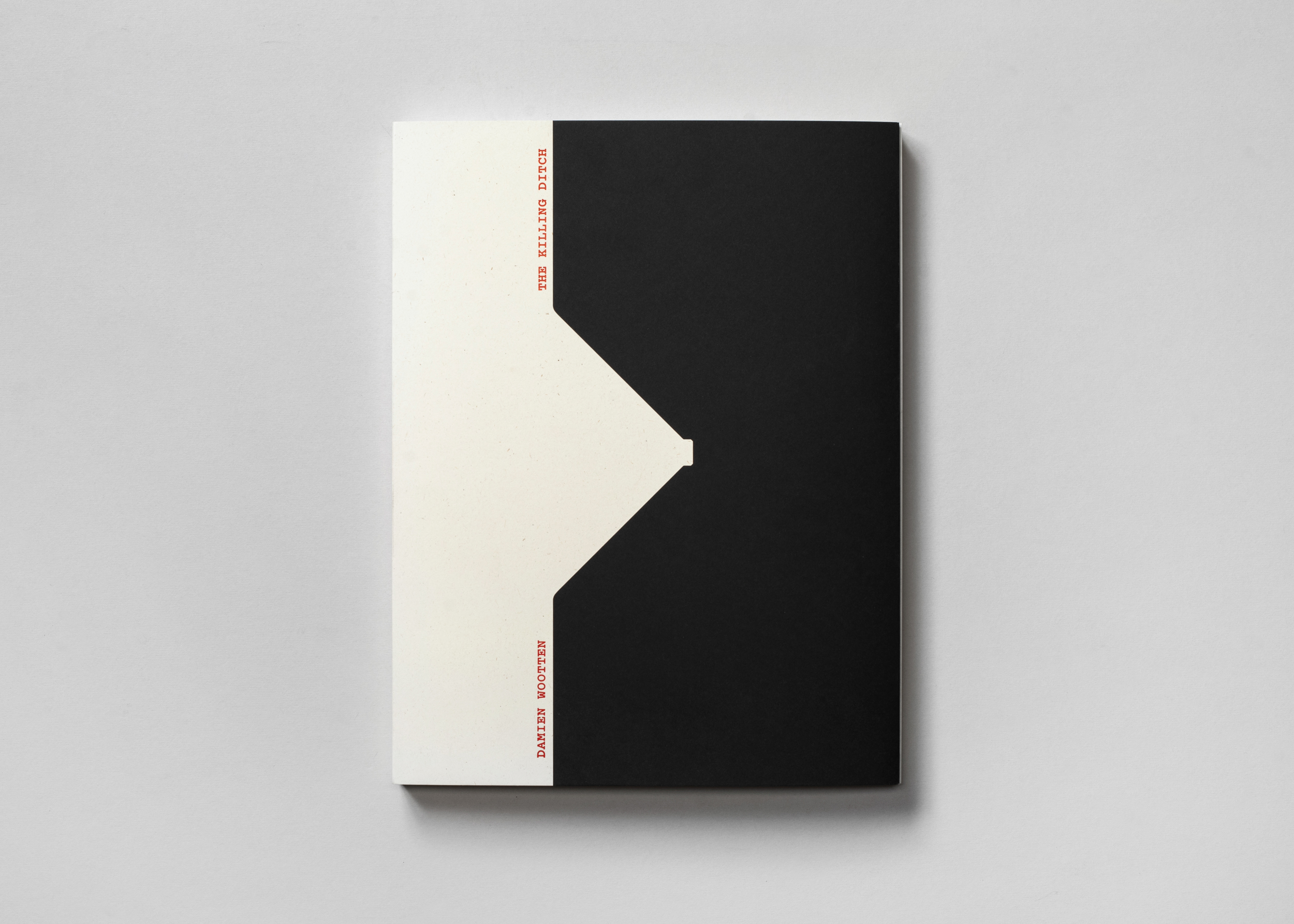
The Killing Ditch by Damnien Wootten
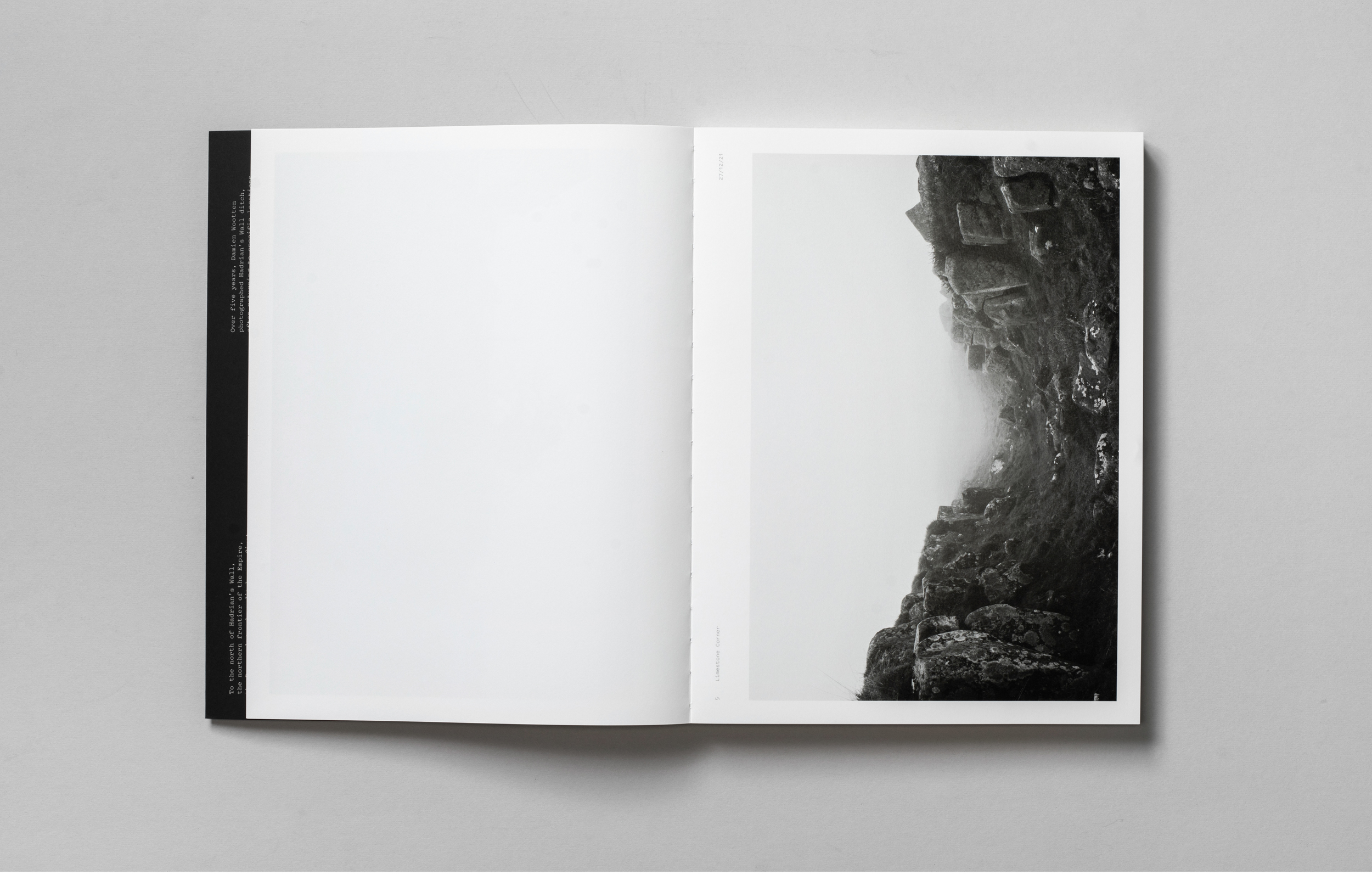
To the north of Hadrian’s Wall, the northern frontier of the Empire, the Romans dug a deep ditch as a first line of defence against some of the Celtic tribes of northern Britain. The Wall itself ran from Wallsend in the east to Bowness-on-Solway in the west, crossing the region of Tyneside and the counties of Northumberland and Cumbria. The ditch ran parallel to the Wall across much of its length, except where higher cliffs and crags provided a natural form of defence. Remarkably, after almost 2,000 years, long stretches of the ditch have survived relatively intact and are clearly visible today. Some parts on private land are largely inaccessible, whilst other sections have all but disappeared under farmland or been built over by roads, farms and houses. Other stretches of the ditch, now running beneath woodland, have been long forgotten, traces of which can still be found.
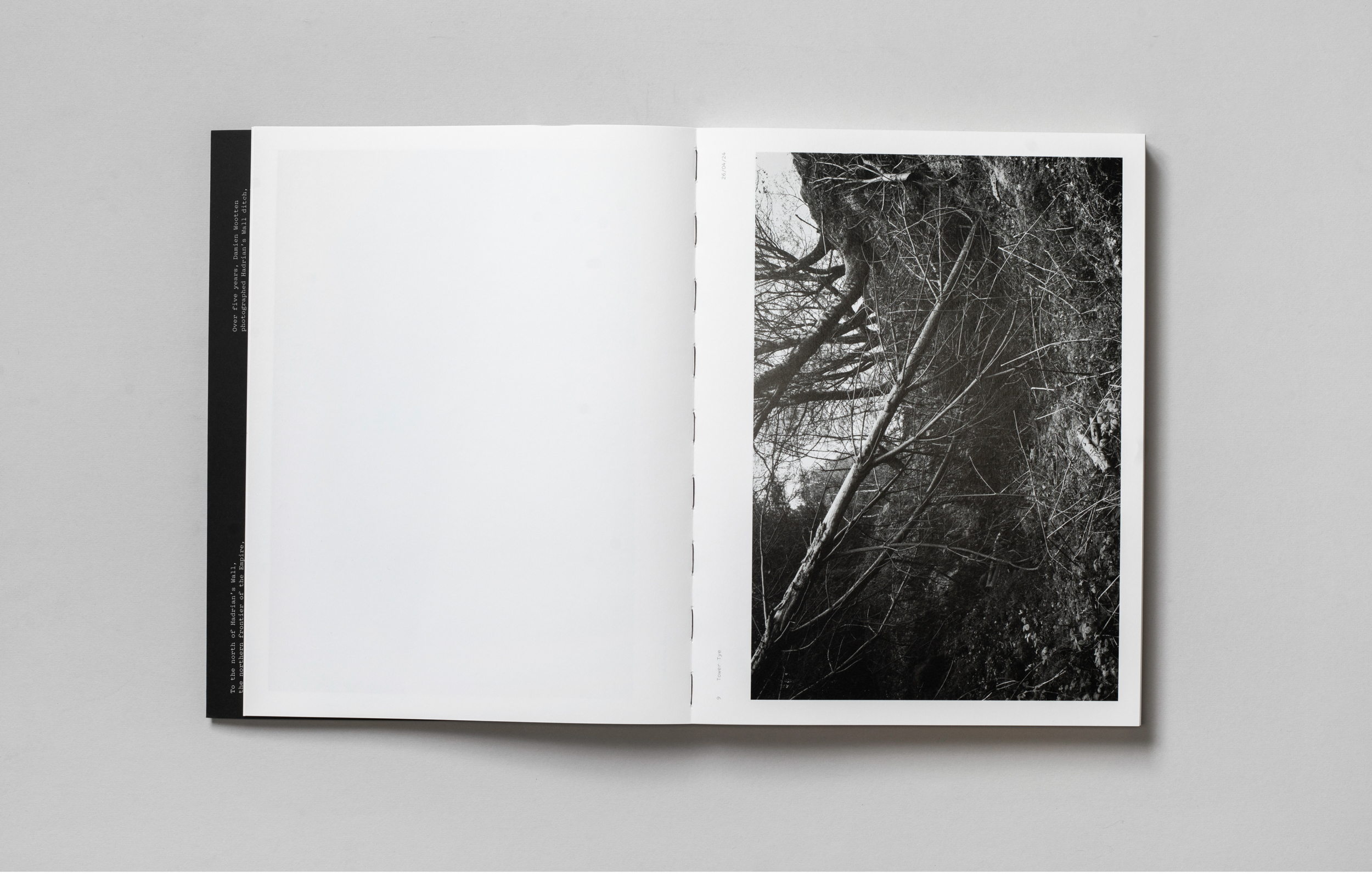
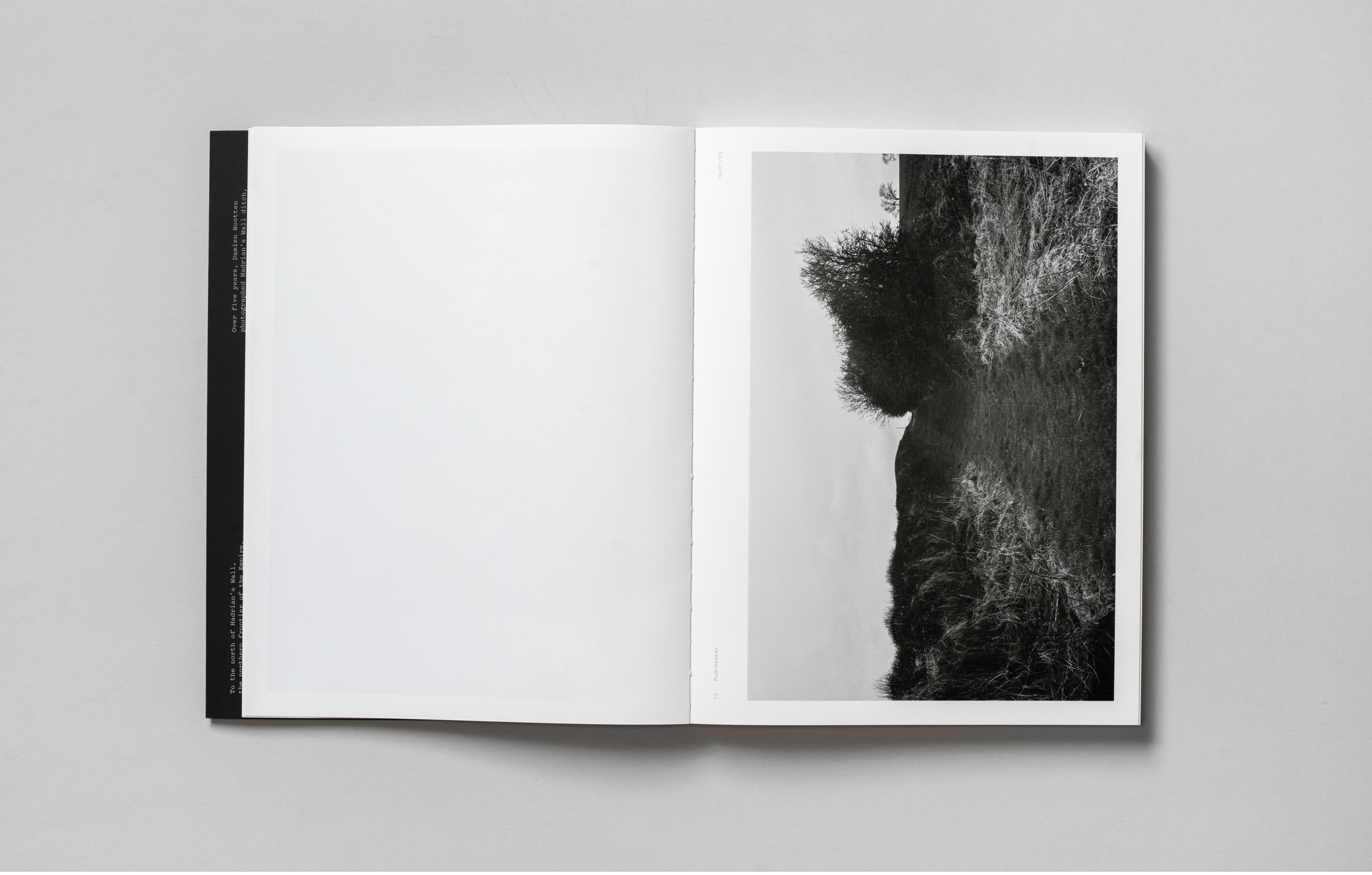
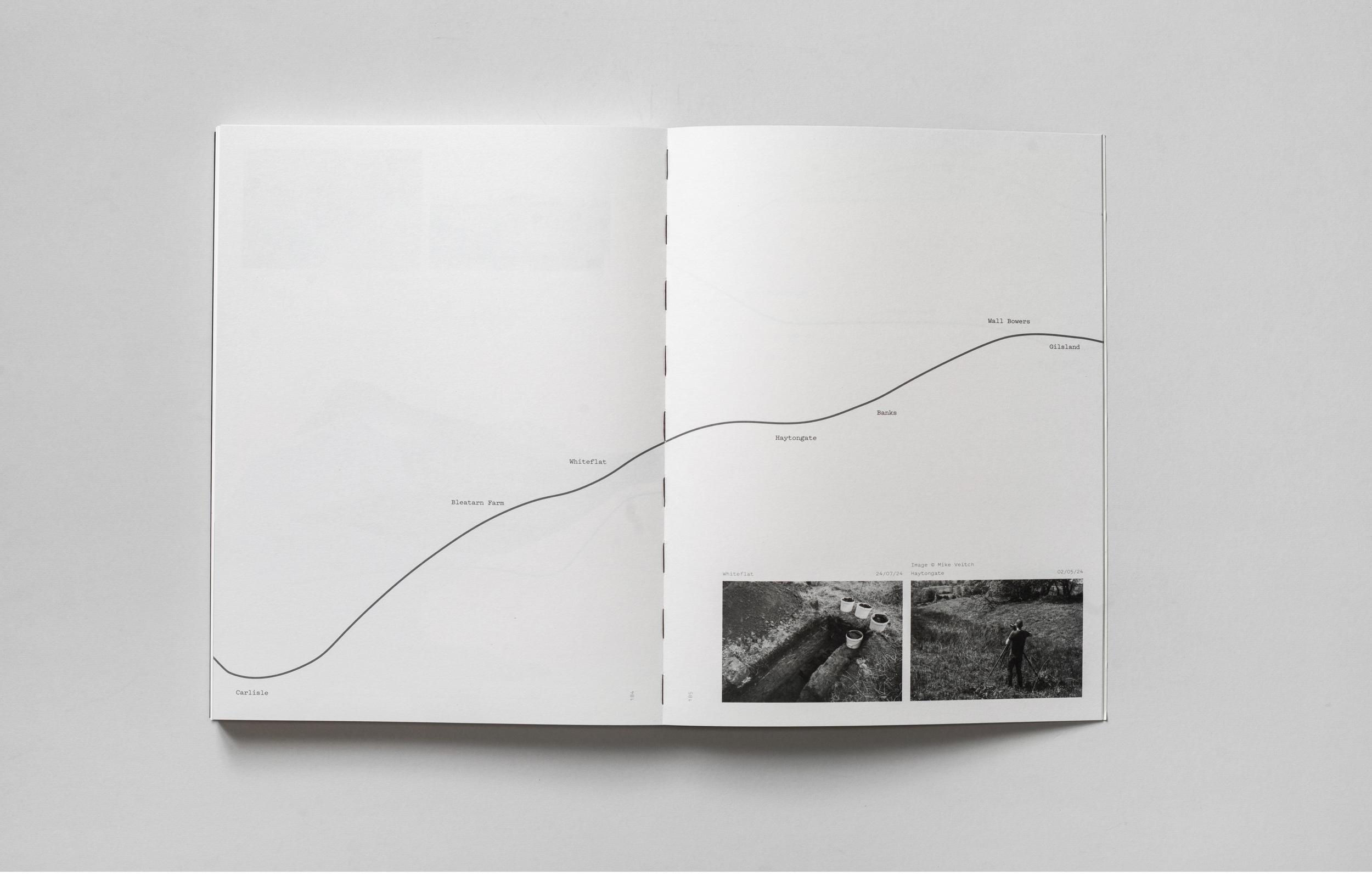
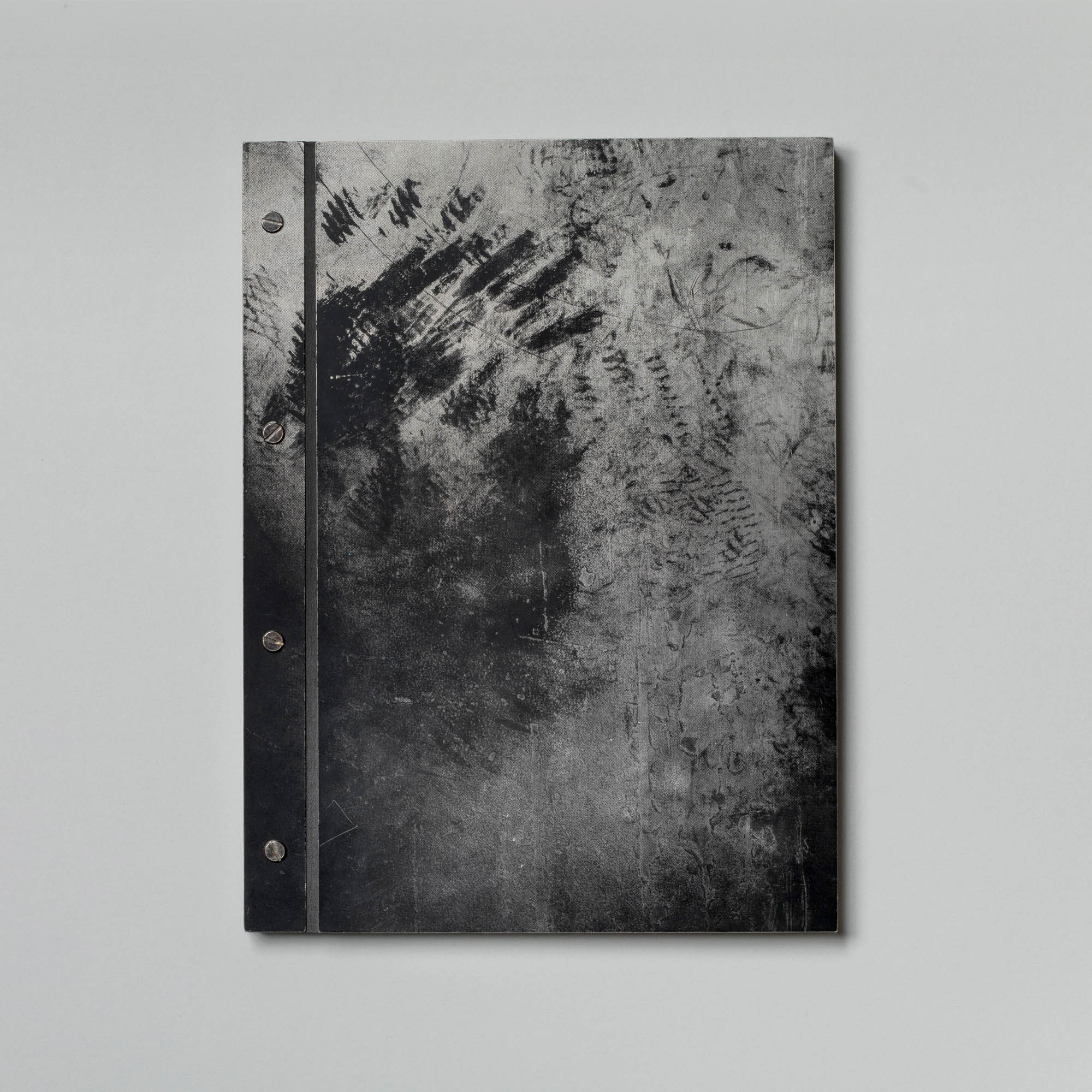
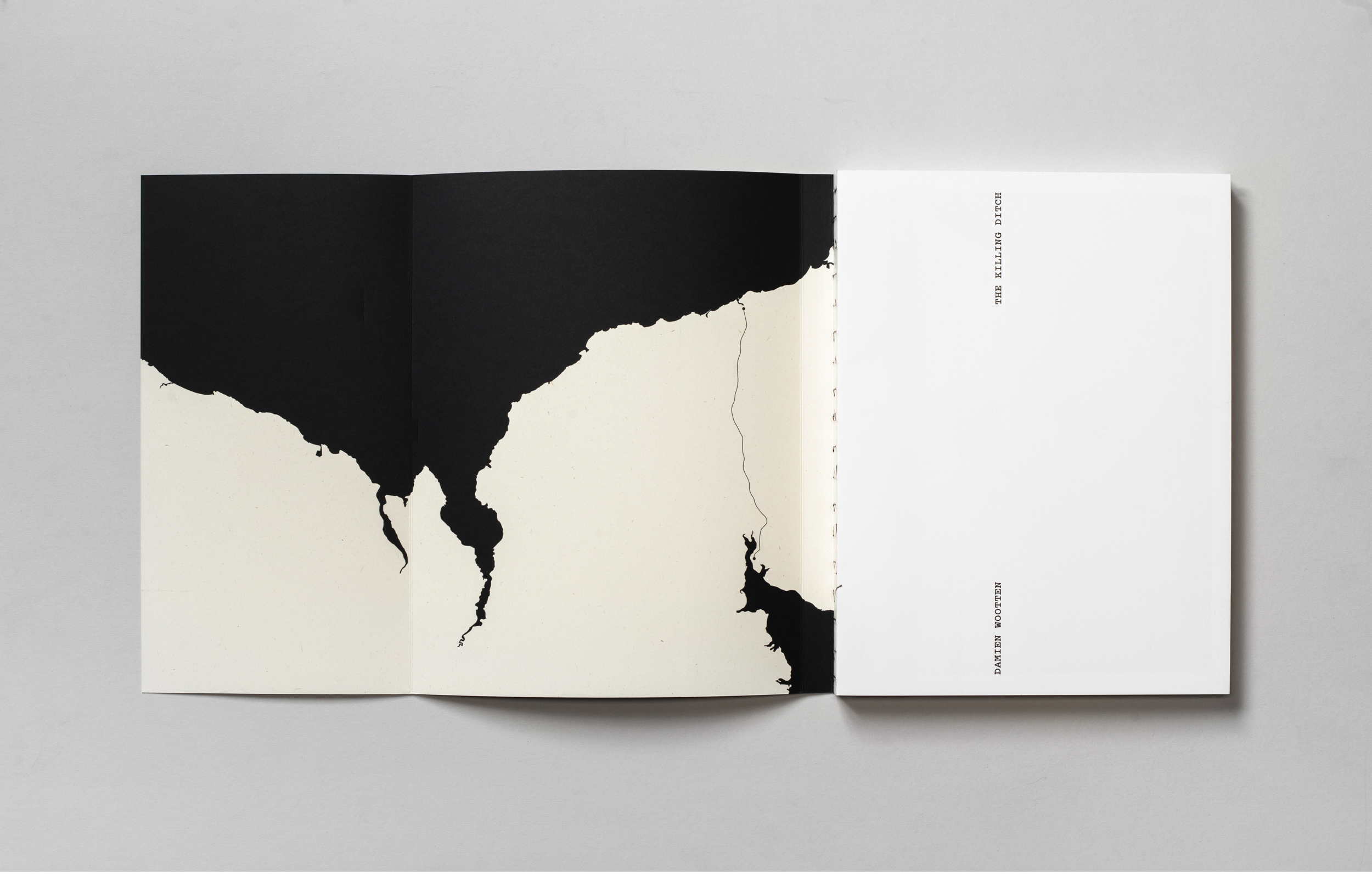
Over five years, Damien Wootten photographed Hadrian’s Wall ditch, often returning to specific locations and retaking exact compositions. Through mapping this man-altered topography, he brings both a physical and archeological context to the ditch, whilst marking historical time through the recording of climatic and seasonal changes. The work also suggests a political and philosophical reading of the landscape, drawing parallels between the Roman Empire’s control through territorial boundaries and present-day geopolitics: from Palestine to border control. These quiet images of this historically contested (often violent) landscape of northern England resonate with the past and echo with notions of ‘frontier’ and everything that conjures up: colonialism, conflict and death. Damien also acknowledges the role of photography as a tool of imperialism, mapping and recording unknown territories and peoples - inevitably ending in the plundering of natural resources, and the subjugation, displacement and genocide of indigenous populations.
Over five years, Damien Wootten photographed Hadrian’s Wall ditch, often returning to specific locations and retaking exact compositions. Through mapping this man-altered topography, he brings both a physical and archeological context to the ditch, whilst marking historical time through the recording of climatic and seasonal changes. The work also suggests a political and philosophical reading of the landscape, drawing parallels between the Roman Empire’s control through territorial boundaries and present-day geopolitics: from Palestine to border control. These quiet images of this historically contested (often violent) landscape of northern England resonate with the past and echo with notions of ‘frontier’ and everything that conjures up: colonialism, conflict and death. Damien also acknowledges the role of photography as a tool of imperialism, mapping and recording unknown territories and peoples - inevitably ending in the plundering of natural resources, and the subjugation, displacement and genocide of indigenous populations.
Year: 2025
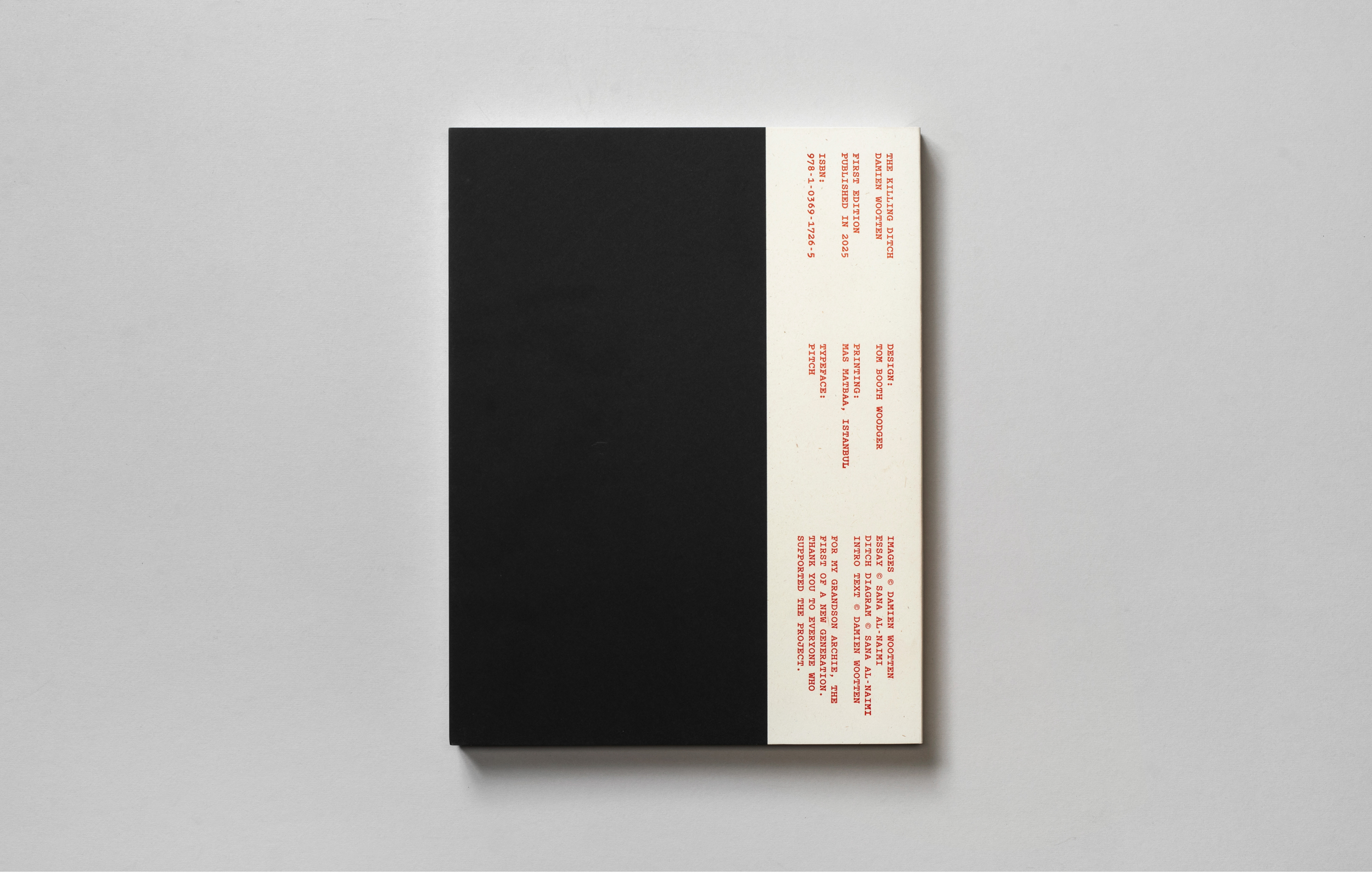
Pubisher: Self Published
ISBN: 978-1-0369-1726-5
Printer: MAS Matbaa
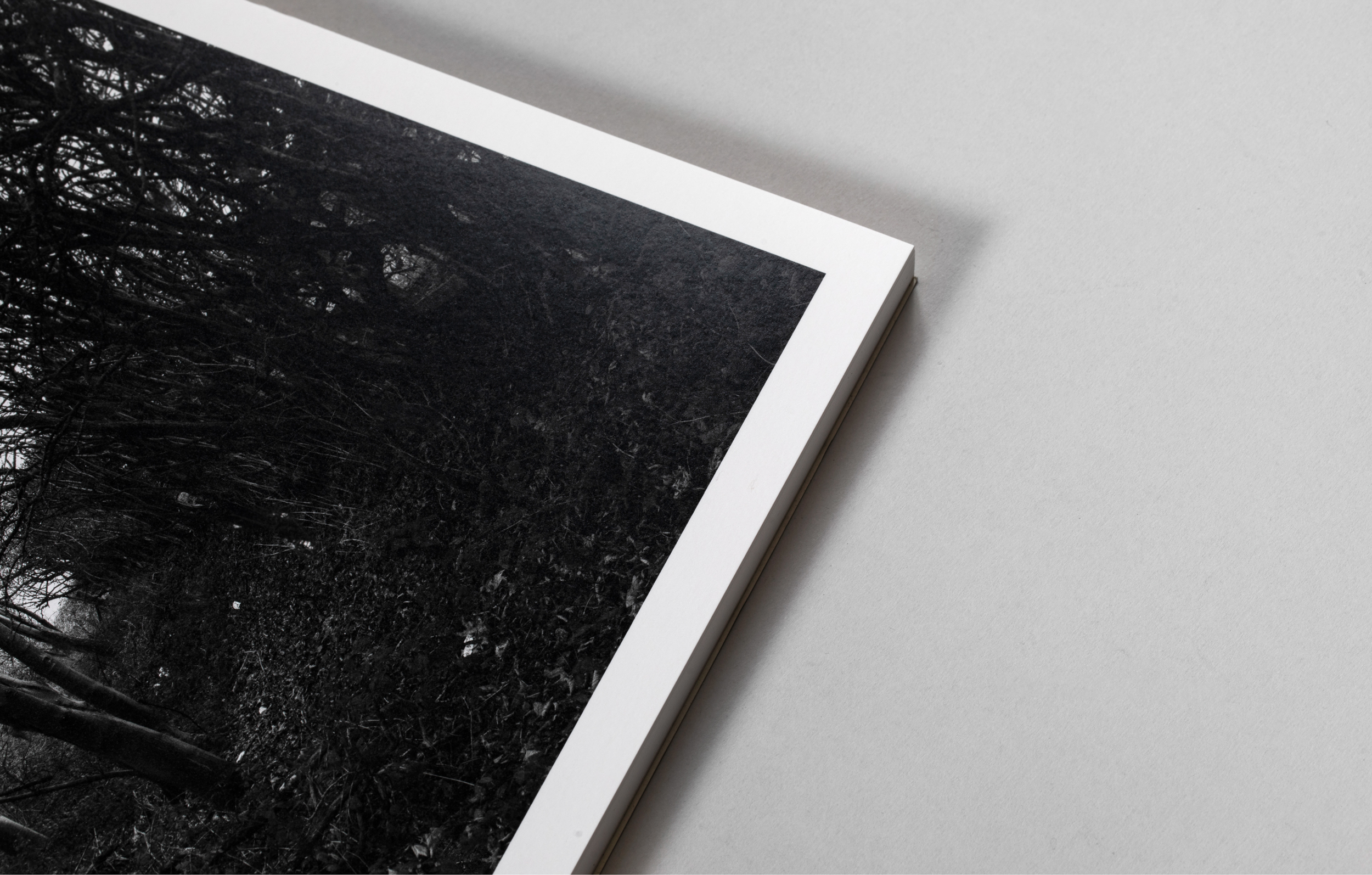
Printing: Tritone + Varnish
Pages: 192
Images: 116+
Paper: Gardpat Kiara 13 & Holmen TRND 2.0
Font: Pitch
↓ Full video flick-through below
→ Available here
Pubisher: Self Published
ISBN: 978-1-0369-1726-5
Printer: MAS Matbaa
Printing: Tritone + Varnish
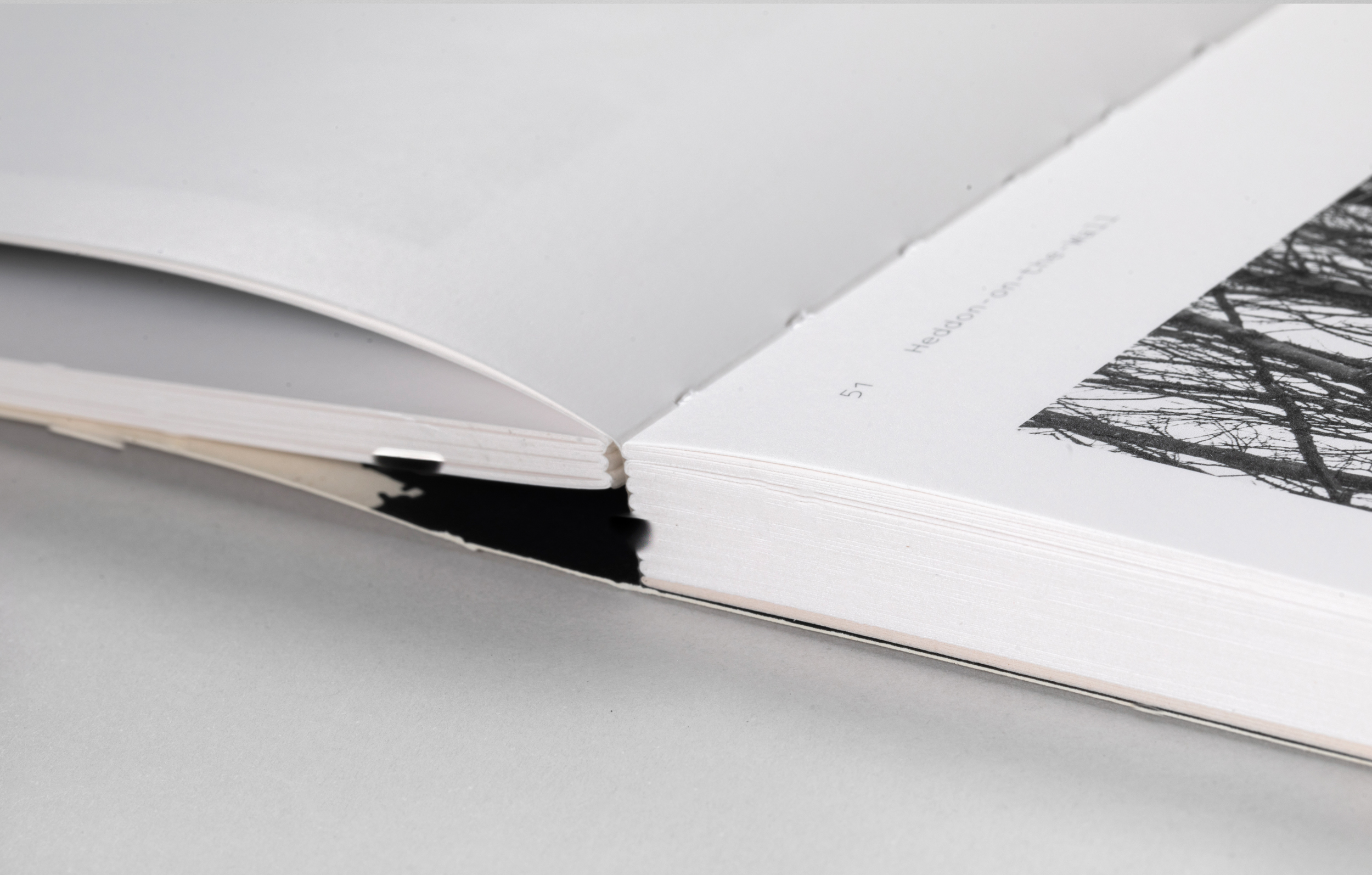
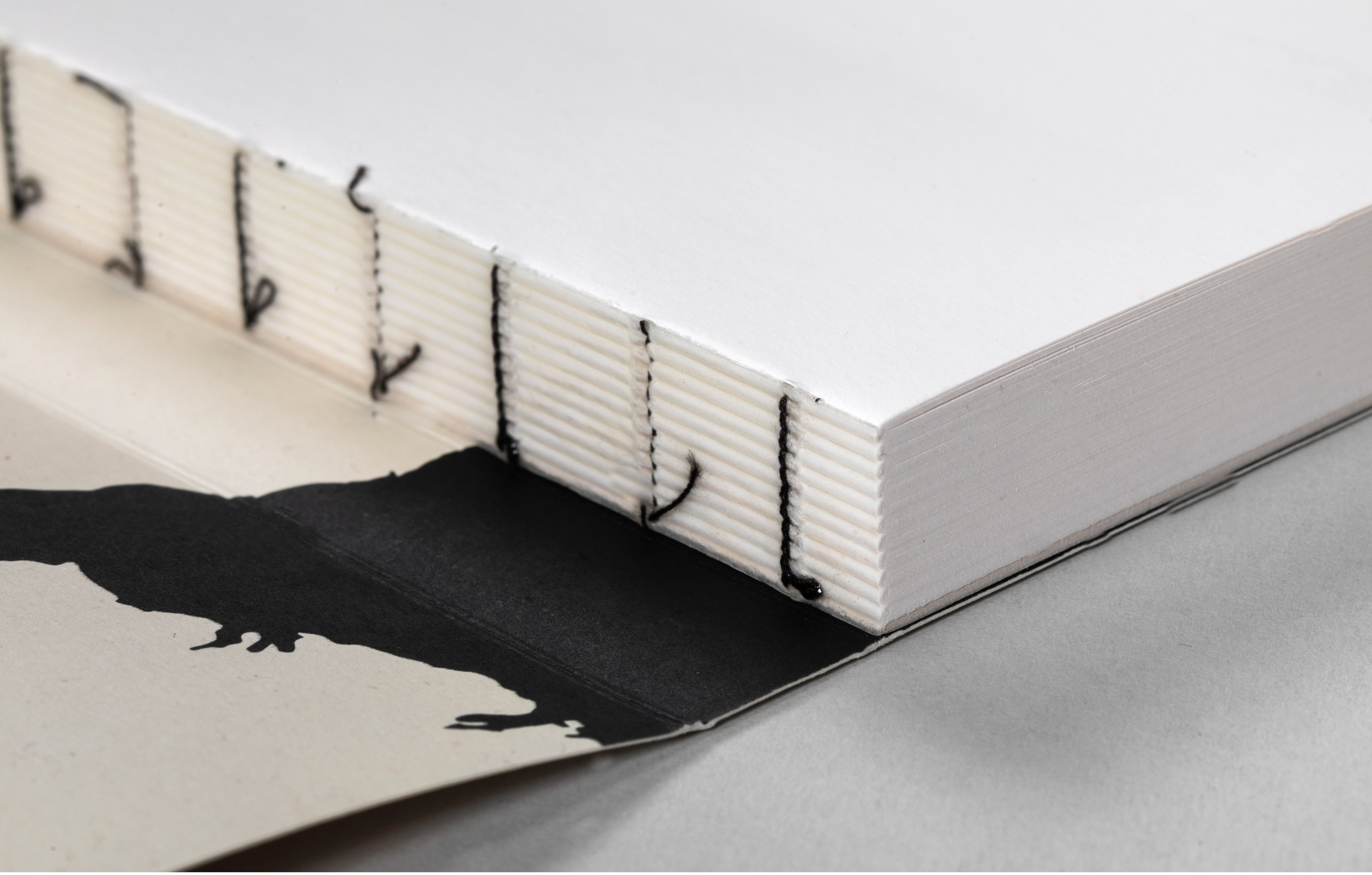
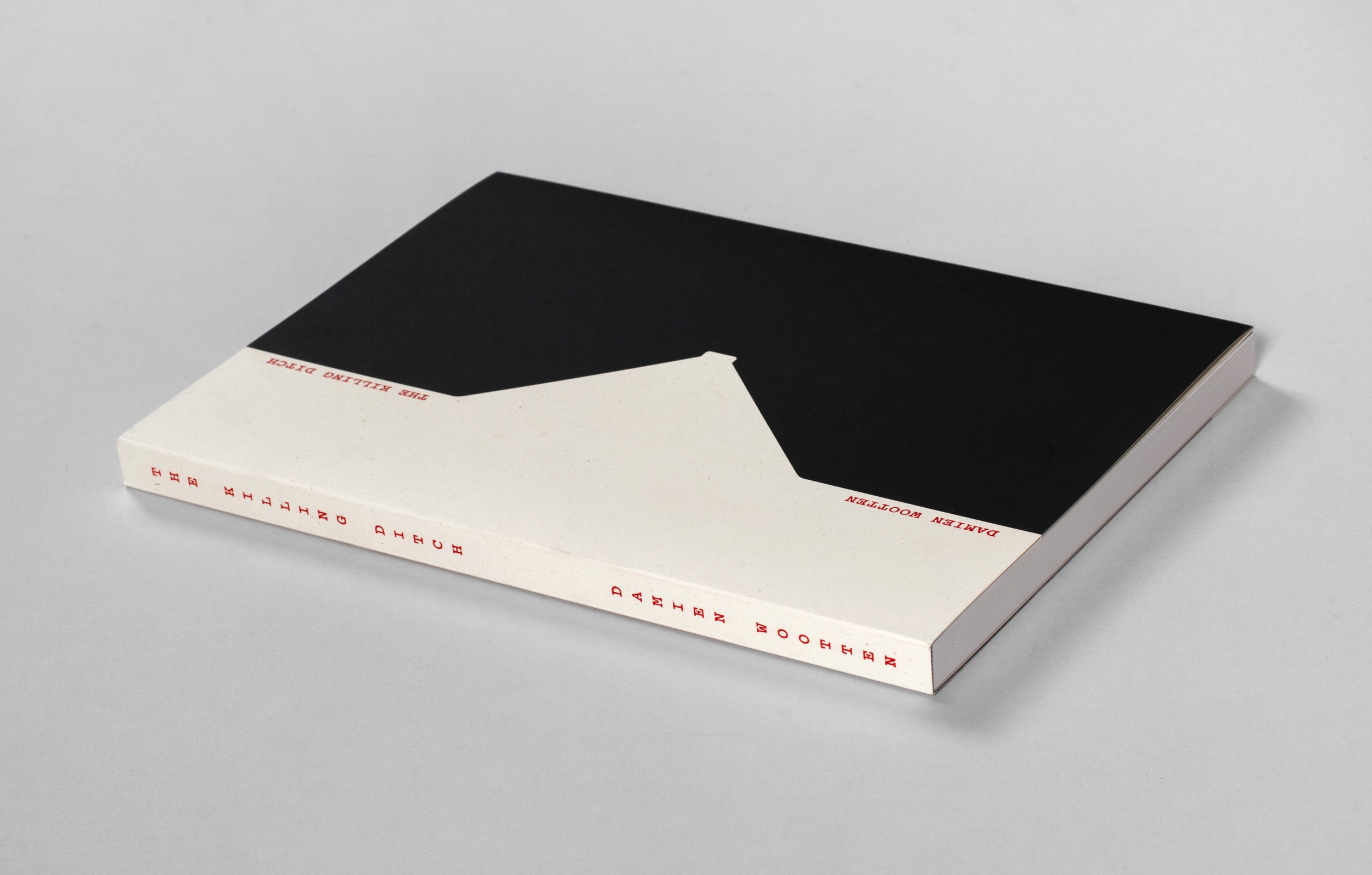
Binding: Open Spine Softcover with Black Printing & Foil
Size: 240x300mmPages: 192
Images: 116+
Paper: Gardpat Kiara 13 & Holmen TRND 2.0
Font: Pitch
↓ Full video flick-through below
→ Available here
Damien Wootten is a British documentary and art photographer. Much of his work focuses on the North of England. It is a place that has a rich photographic history and a strong contemporary presence. Damien's work draws from that history, and the wider photographic tradition of recording the land and our place within it. His work, in part, looks at how history and politics are embedded in both our communities and landscape. His previous project, The Radical Road, recorded streets across England, Scotland and Wales named after past radical and socialist figures. The project was exhibited at Woodhorn Museum in Northumberland and his essay on the project was published in the North East Labour History Journal. He has published several photography books and exhibited both regionally and nationally, including The Royal Photographic Society's International Print Exhibition, where he was given the Bronze Award. He lectures in photography for the Workers' Education Association and Newcastle University.